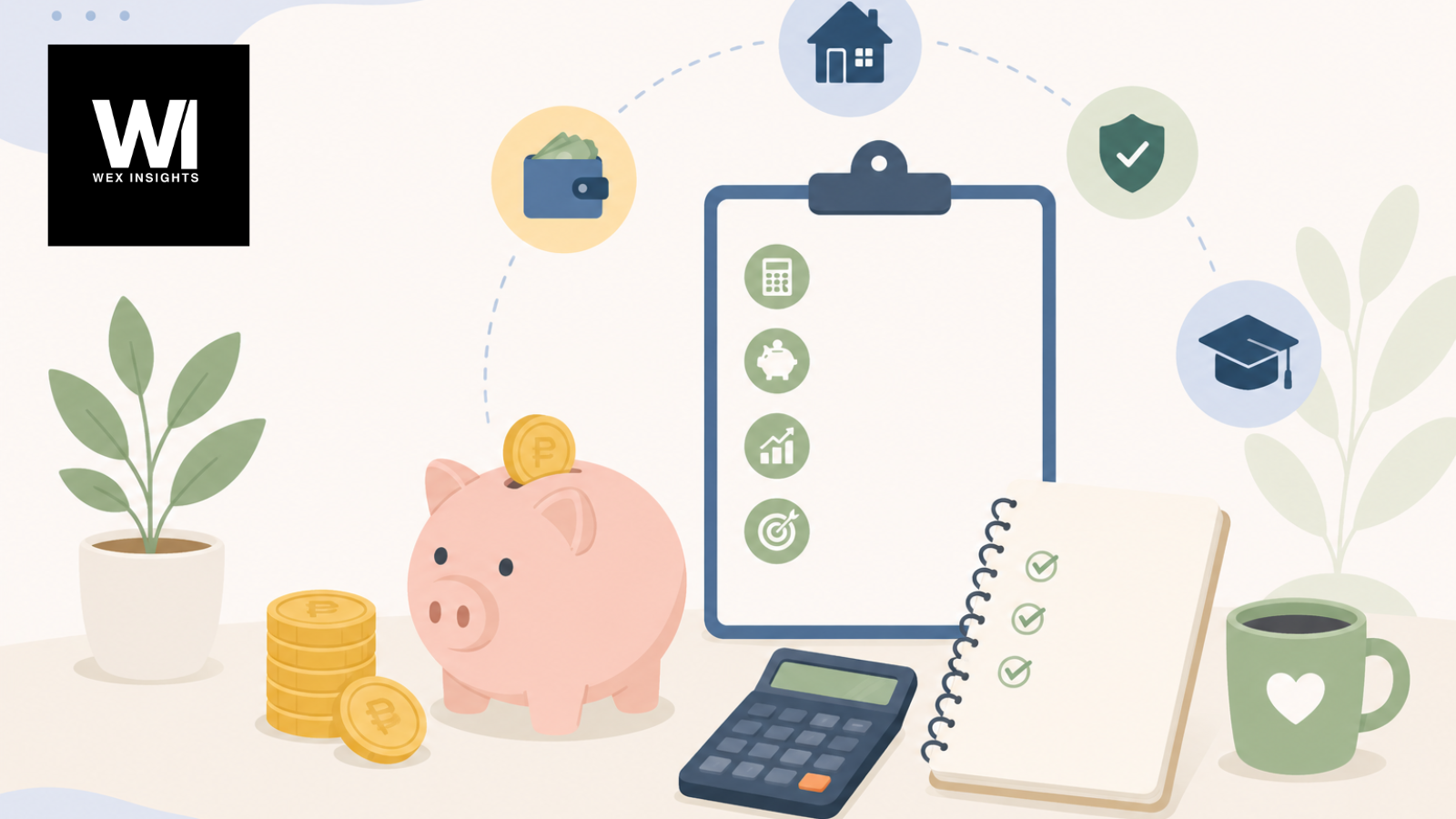



Understanding the Basics of Personal Finance: A Comprehensive Guide

What is Personal Finance?

Personal finance encompasses the management of an individual’s or household’s financial resources. It is the process of planning and controlling your spending and saving. Effectively managing personal finances is paramount for achieving financial stability, security, and long-term prosperity. Key components of personal finance include budgeting, saving, and investing. A robust understanding of these elements significantly enhances financial literacy, empowering individuals to make informed decisions and gain control over their financial future.

Key Principles of Budgeting

Budgeting serves as the cornerstone of sound financial management. Its primary purpose is to track income and expenses, thereby enabling individuals to allocate their funds strategically. The benefits of budgeting are manifold, including preventing overspending, identifying areas for potential savings, and facilitating the achievement of financial goals.

Creating an effective budget involves several straightforward steps:

  1. Track Your Income: Accurately determine your total net income after taxes.
  2. Categorize Your Expenses: List all your expenditures, dividing them into fixed (rent, mortgage, loan payments) and variable (groceries, entertainment, utilities) categories.
  3. Analyze Spending Habits: Review your categorized expenses to identify where your money is going.
  4. Set Financial Goals: Define short-term and long-term financial objectives (e.g., paying off debt, saving for a down payment, retirement).
  5. Create a Spending Plan: Allocate specific amounts to each expense category based on your income and goals.
  6. Monitor and Adjust: Regularly review your budget and make necessary adjustments as your income or expenses change.

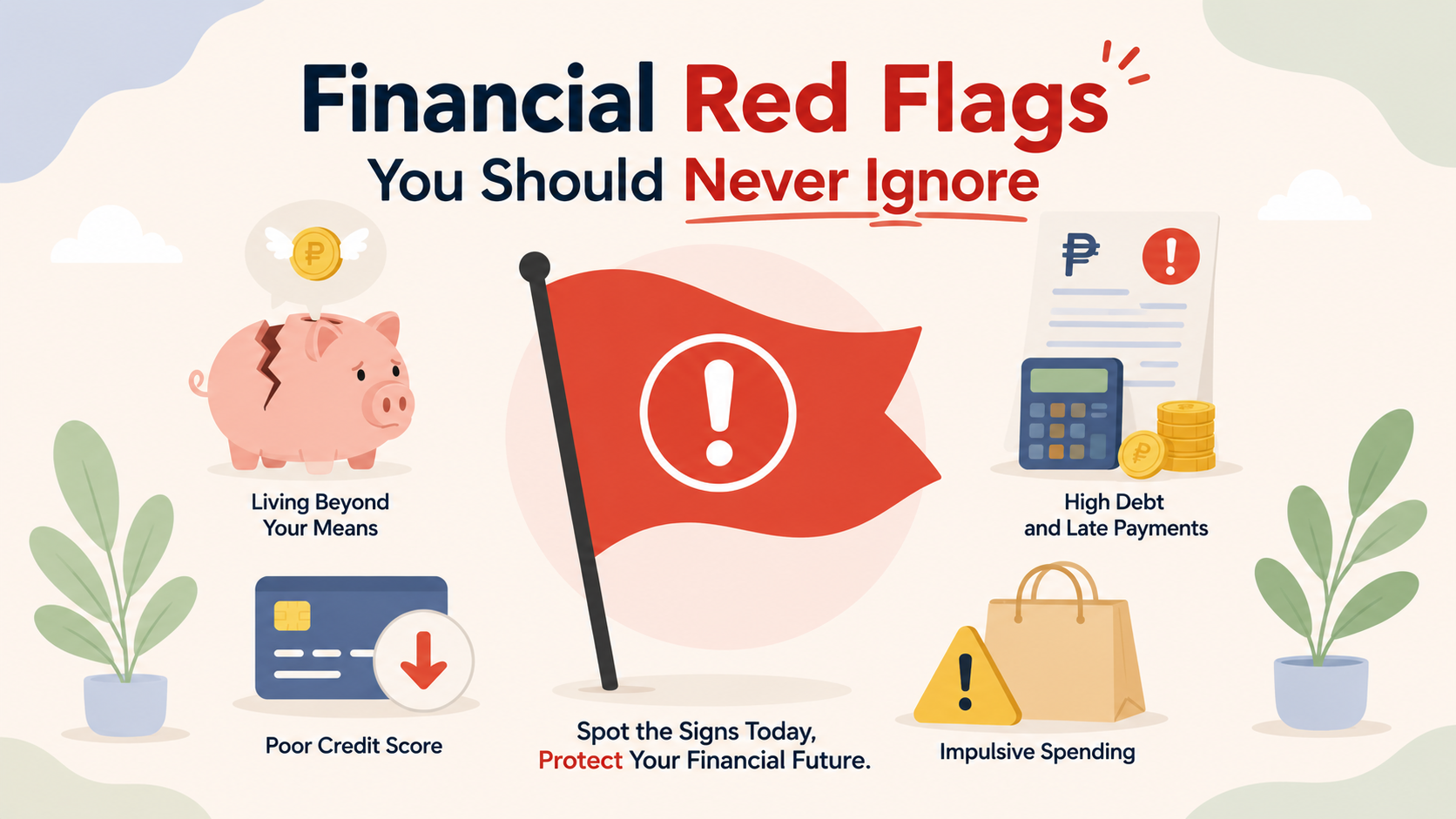
Common budgeting mistakes to avoid include being overly restrictive, failing to track expenses diligently, not accounting for irregular expenses, and neglecting to review and update the budget regularly.

The Importance of Saving

Saving is indispensable for financial security and achieving future aspirations. Various savings vehicles cater to different needs:

  • Savings Accounts: These offer a safe place to store money with easy access and typically earn a modest amount of interest.
  • Money Market Accounts: These often provide slightly higher interest rates than regular savings accounts and may offer limited check-writing privileges.
  • Certificates of Deposit (CDs): CDs typically offer higher interest rates in exchange for committing your funds for a fixed period.

Establishing an emergency fund is crucial. This fund, typically covering three to six months of living expenses, acts as a safety net for unexpected events like job loss or medical emergencies, preventing the need to dip into long-term investments or incur debt. Saving for specific goals, such as a down payment on a house, a new car, or a vacation, requires setting clear targets and consistently allocating funds towards them. Strategies for effective saving include automating transfers to savings accounts immediately after receiving income, cutting unnecessary expenses, and taking advantage of any employer-sponsored savings programs.

Introduction to Investing

Investing is a critical strategy for building wealth over time, allowing your money to grow beyond what can be achieved through savings alone. By putting your money to work, you can outpace inflation and achieve significant financial growth.

Several types of investments are available to beginners:

  • Stocks: Represent ownership in a company. Their value can fluctuate significantly based on company performance and market conditions, offering potential for high returns but also higher risk.
  • Bonds: Essentially loans made to governments or corporations. They are generally considered less risky than stocks and provide regular interest payments.
  • Real Estate: Investing in property can generate rental income and appreciate in value over time, though it requires significant capital and management.
  • Mutual Funds and Exchange-Traded Funds (ETFs): These are diversified investment vehicles that pool money from many investors to purchase a basket of stocks, bonds, or other securities. They offer instant diversification and are often managed by professionals.

Basic investing tips for beginners include starting early to leverage the power of compound growth, diversifying your portfolio to mitigate risk, understanding your risk tolerance, investing consistently, and seeking professional advice if needed. A disciplined and informed approach to investing is key to long-term financial success.

You might also like:

9 Common Budgeting Mistakes and How to Avoid Them

Budgeting is a cornerstone of financial health, yet many individuals, particularly millennials navigating early career stages and evolving financial landscapes, grapple with its complexities. The common pitfalls in budgeting can lead to financial stress, missed savings goals, and an inability to manage unforeseen expenses. Understanding these common mistakes and implementing strategic avoidance measures is crucial for achieving long-term financial stability and freedom.

1. The “Set It and Forget It” Approach

A prevalent budgeting error is creating a budget once and then neglecting it. Financial situations are dynamic; income fluctuations, unexpected expenses, and changing priorities necessitate regular review and adjustment. A static budget quickly becomes irrelevant, leading to overspending or underspending in critical areas.

Practical Takeaway: Schedule a monthly budget review. Compare your planned expenses with actual spending. Identify any discrepancies and adjust your allocations for the following month.

2. Overly Restrictive Budgeting

Another common mistake is creating a budget that is too rigid, cutting back on essential lifestyle needs or enjoyable activities. This can lead to feelings of deprivation, making the budget unsustainable and prone to abandonment. Financial discipline should not equate to financial misery.

Practical Takeaway: Allocate a reasonable amount for discretionary spending or “fun money.” This allows for guilt-free enjoyment and makes sticking to your budget more feasible long-term.

3. Failing to Track All Expenses

Many individuals diligently track major expenses like rent and utilities but overlook smaller, recurring costs. Daily coffees, subscription services, or impulse purchases can accumulate significantly, derailing even the best-laid budget plans. The cumulative effect of these seemingly minor expenses is often underestimated.

Practical Takeaway: Utilize budgeting apps or spreadsheets to meticulously record every expenditure. Categorize your spending to gain clarity on where your money is truly going.

4. Inaccurate Income Projections

For those with variable income streams (freelancers, gig workers), inaccurately estimating monthly earnings is a frequent budgeting pitfall. Budgeting based on optimistic income projections can lead to overspending, creating a deficit when actual income falls short.

Practical Takeaway: When dealing with variable income, budget based on your lowest anticipated monthly earnings. Any income exceeding this baseline can then be allocated towards savings, debt repayment, or investments.

5. Not Budgeting for Irregular Expenses

Many budgets focus solely on monthly recurring costs, neglecting expenses that occur less frequently but are significant, such as annual insurance premiums, holiday gifts, or car maintenance. Failing to plan for these can result in emergency fund depletion or the need for high-interest debt.

Practical Takeaway: Create a sinking fund for irregular expenses. Estimate the annual cost of these items and divide by 12, saving that amount each month to ensure funds are available when needed.

6. Ignoring Debt Repayment

A budget that doesn’t actively address debt repayment can lead to prolonged financial strain. High-interest debt, in particular, can erode savings and hinder progress towards financial goals. Failing to prioritize debt reduction means paying more in interest over time.

Practical Takeaway: Allocate a specific amount in your budget towards debt repayment, beyond minimum payments. Consider strategies like the debt snowball or debt avalanche method to accelerate your payoff.

7. Lack of an Emergency Fund

This is arguably one of the most critical budgeting mistakes. Without an emergency fund, unexpected events like job loss, medical emergencies, or major home repairs can quickly lead to financial crisis, forcing reliance on credit cards or loans.

Practical Takeaway: Prioritize building an emergency fund covering 3-6 months of essential living expenses. Automate regular transfers to a separate savings account to ensure consistent contributions.

8. Not Setting Clear Financial Goals

A budget without accompanying financial goals can feel arbitrary and lack motivation. Without defined objectives, it’s difficult to measure progress or make informed decisions about spending and saving. Goals provide the “why” behind budgeting.

Practical Takeaway: Define your short-term and long-term financial goals (e.g., down payment for a house, retirement savings, vacation). Integrate these goals into your budget by allocating funds towards them.

9. Overlooking Financial Education

Many millennials may not have received formal financial education, leading to a lack of understanding of fundamental financial concepts. This ignorance can manifest in poor budgeting decisions, investment choices, and overall financial management.

Practical Takeaway: Commit to continuous financial learning. Read books, follow reputable financial blogs, listen to podcasts, or consider taking a personal finance course to enhance your knowledge.

Conclusion:

Mastering budgeting is an ongoing process of awareness, discipline, and adaptation. By recognizing and actively avoiding these nine common budgeting mistakes, millennials can establish a robust financial foundation. Implementing practical takeaways like regular reviews, tracking all expenses, and prioritizing emergency funds and debt repayment will pave the way for greater financial security and the achievement of personal financial aspirations. Effective budgeting is not just about managing money; it’s about achieving financial freedom and peace of mind.

Related topics

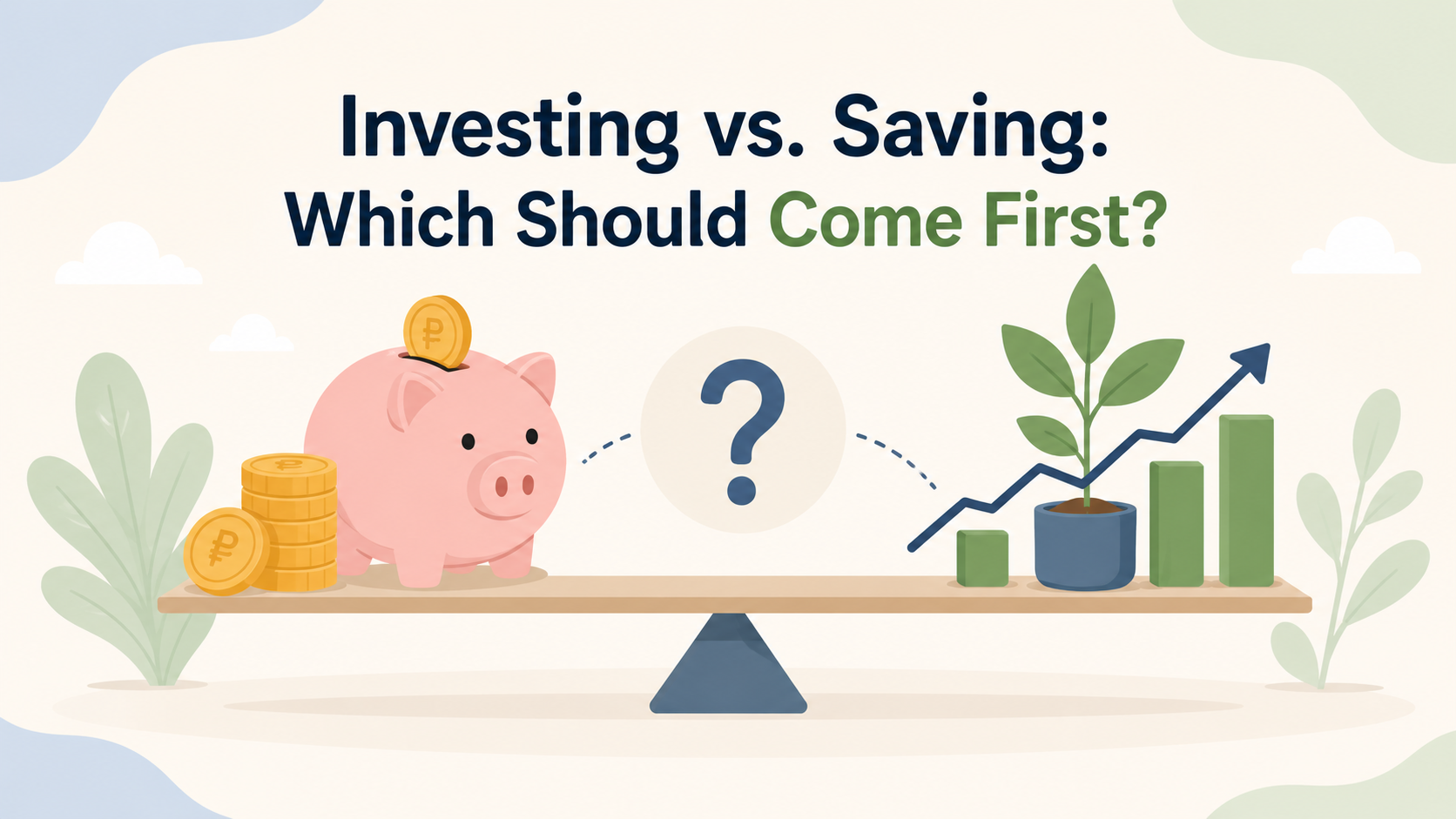
The Divergence: Distinguishing Saving Money from Building Wealth

In personal finance discourse, the terms “saving money” and “building wealth” are frequently employed, often interchangeably. However, a nuanced understanding reveals a fundamental divergence in their objectives, methodologies, and ultimate outcomes. While saving money represents a crucial foundational element, building wealth signifies a more advanced and strategic approach to financial growth. This distinction is paramount for professionals seeking to optimize their financial trajectories.

Saving money is primarily characterized by the act of deferring consumption. It involves setting aside a portion of one’s income, typically in accessible accounts like savings or checking, to meet short-term goals or create an emergency fund. The principal objective of saving is to accumulate a reserve of capital for immediate or near-term needs, such as purchasing a vehicle, funding a vacation, or covering unforeseen expenses like medical emergencies or job loss. The emphasis here is on preservation and liquidity. While essential for financial stability, the growth of saved funds is often minimal, frequently outpaced by inflation, thereby eroding purchasing power over time. Managing expenses effectively is a prerequisite for successful saving, as it frees up disposable income that can then be allocated to savings.

Building wealth, conversely, transcends mere accumulation. It is a dynamic process focused on increasing one’s net worth through strategic investment and asset appreciation. Wealth building involves deploying capital into assets that have the potential to generate returns exceeding inflation and consumption. This can include a diverse range of investment vehicles such as stocks, bonds, real estate, and alternative investments. The core principle is to make money work for you, generating passive income and capital gains. Unlike saving, which prioritizes liquidity, wealth building often involves a longer time horizon and a greater tolerance for risk, as investments may experience short-term volatility. The ultimate aim is not just to have money, but to create a sustainable financial ecosystem that provides financial freedom and security over the long term. This involves a proactive approach to managing not only expenses but also investments, and understanding the interplay between income, savings, and investment returns.

In essence, saving money is a prerequisite for financial security, providing a buffer against life’s uncertainties and enabling planned expenditures. Building wealth, however, is the engine of financial prosperity, transforming saved capital into a growing asset base that can generate ongoing income and appreciate in value, thereby securing a more affluent future. Professionals who grasp this distinction can strategically allocate their resources, moving beyond mere accumulation to active wealth creation.

Strategically Building an Emergency Fund Without Sacrificing Lifestyle

Establishing an emergency fund is a cornerstone of robust personal finance management. For professionals, particularly those with established careers and financial commitments, the prospect of allocating significant capital towards an emergency fund can sometimes conjure images of drastic austerity and lifestyle deprivation. However, a technically sound approach can facilitate the accumulation of substantial emergency reserves without necessitating a dramatic reduction in discretionary spending or overall quality of life. This document outlines a structured methodology for building emergency funds.

The fundamental objective of an emergency fund is to provide a financial buffer against unforeseen events, such as job loss, medical expenses, or significant home/auto repairs. A commonly recommended benchmark is three to six months of essential living expenses. To achieve this without feeling deprived, a systematic and data-driven strategy is paramount.

1. Precise Expense Quantification
The initial step involves a meticulous analysis of current expenditures. This transcends a cursory overview; it requires granular categorization of all outlays. Professionals, accustomed to analytical tasks, can leverage spreadsheets or financial management software to track spending across categories like housing, transportation, utilities, food, debt servicing, insurance premiums, and discretionary spending (entertainment, dining, hobbies). This detailed breakdown provides a clear, objective picture of where funds are allocated.

2. Identifying Non-Essential Expenditure Reductions
Once expenditures are quantified, the next phase involves identifying areas where marginal reductions can be implemented without significantly impacting lifestyle. This is not about eliminating enjoyable activities but rather optimizing them. For instance, analyzing subscription services for underutilized platforms, evaluating dining-out frequency versus home-prepared meals, or seeking more cost-effective alternatives for recurring purchases. The technical aspect here is in the marginal utility assessment of each expenditure.

3. Algorithmic Savings Allocation
Rather than relying on ad-hoc savings, a structured allocation process is more effective. This can involve setting up automatic transfers from checking to a dedicated savings account immediately after payday. This “pay yourself first” principle ensures that a predetermined portion of income is consistently directed towards the emergency fund before it can be allocated to discretionary spending. The amount of this automatic transfer can be incrementally increased as non-essential expenditures are identified and reduced.

4. Leveraging Windfalls and Incremental Income
Unexpected financial gains, such as tax refunds, bonuses, or small inheritances, can significantly accelerate emergency fund growth. A technically disciplined approach would be to earmark a substantial, if not the entirety, of these windfalls for the emergency fund. Similarly, any incremental income, such as a minor salary increase or a side hustle, can be strategically directed towards this goal.

5. Optimizing Savings Vehicles
The choice of where to hold emergency funds is also a technical consideration. While liquidity is paramount, utilizing high-yield savings accounts or money market accounts can provide a modest return on the accumulated capital, thereby slightly offsetting inflation and enhancing the growth rate of the fund. These vehicles offer a balance between accessibility and yield.

By adopting a technically rigorous and analytical approach to personal finance, professionals can effectively build robust emergency funds. This methodology emphasizes data-driven decision-making, strategic optimization of expenditures, and consistent allocation, thereby ensuring financial security without the perceived burden of deprivation. The key lies in understanding the precise financial landscape and implementing targeted, efficient strategies.

5 Small Expenses That Quietly Drain Your Budget

In personal finance management, attention is often directed towards significant expenditures like mortgage payments, car loans, or substantial debt. However, a more insidious threat to fiscal health can arise from the aggregation of seemingly minor, recurring costs. These “leaky bucket” expenses, while individually insignificant, can collectively exert a considerable strain on a household budget, diminishing savings potential and hindering financial objectives. Understanding and mitigating these small drains is a critical component of robust budget adherence and wealth accumulation.

Subscription services that are underutilized or forgotten.

One prevalent category of these budget infiltrators is subscription services that are underutilized or forgotten. Many individuals subscribe to streaming platforms, software, gym memberships, or niche online services without regularly engaging with them. The monthly or annual fees, often automated, can persist unnoticed in bank statements. A diligent review of recurring charges, followed by the cancellation of any services that do not provide commensurate value, can liberate substantial funds over time.

Impulse purchasing of convenience items.

Another common culprit is impulse purchasing of convenience items. This can manifest as daily specialty coffees, pre-packaged lunches, or readily available snacks purchased on the go. While these items offer immediate gratification, their cumulative cost can be surprisingly high. For instance, a daily $5 coffee equates to over $1,800 annually. Preparing meals and beverages at home, or identifying more cost-effective alternatives, represents a significant opportunity for savings.

Late payment fees and penalties

Late payment fees and penalties constitute another often overlooked expense. These charges are typically levied by credit card companies, utility providers, or loan servicers for failing to meet payment deadlines. While often a consequence of disorganization rather than intentional overspending, the financial impact is direct and substantial. Implementing automated payment systems or employing calendar reminders can effectively prevent these avoidable fees, thereby preserving budget integrity.

Unnecessary small-scale entertainment splurges

Furthermore, unnecessary small-scale entertainment splurges can erode financial reserves. This includes frequent impulse purchases of movie tickets, casual dining out, or small entertainment-related purchases that, when aggregated, represent a significant outlay. Prioritizing planned entertainment and seeking out free or low-cost recreational activities can help control this expenditure category.

Unforeseen but preventable maintenance and repair costs

Finally, unforeseen but preventable maintenance and repair costs can also act as budget drains. This might involve neglecting minor home repairs that escalate into larger, more expensive issues, or failing to perform routine maintenance on vehicles, leading to more costly breakdowns. Proactive maintenance and timely attention to small problems can significantly reduce the need for emergency repairs and associated costs, thereby safeguarding the budget. By systematically identifying and addressing these five categories of small expenses, individuals can fortify their financial position and achieve their budgetary goals more effectively.

Implementing a Functional Monthly Budget: A Technical Overview

Establishing and adhering to a personal budget is a foundational element of sound financial management. This document outlines a systematic approach to creating a simple yet effective monthly budget, designed for individuals seeking a structured method to track income and expenses. The primary objective is to provide a clear financial roadmap, enabling better decision-making and facilitating the achievement of financial goals.

1. Income Assessment:
The initial step involves a comprehensive evaluation of all anticipated income streams for the month. This includes regular salary deposits, freelance earnings, rental income, and any other predictable financial inflows. It is crucial to calculate the net income after taxes and deductions, as this represents the actual disposable capital available for allocation. For individuals with variable income, it is advisable to use a conservative average or the lowest anticipated amount to ensure the budget remains realistic and sustainable.

2. Expense Categorization and Tracking:
The subsequent phase requires the meticulous identification and categorization of all monthly expenses. These can be broadly classified into two primary groups: fixed expenses and variable expenses.

  • Fixed Expenses: These are costs that remain relatively consistent each month and are often non-negotiable. Examples include mortgage or rent payments, loan repayments (car loans, student loans), insurance premiums, and subscription services (e.g., internet, streaming).
  • Variable Expenses: These costs fluctuate based on usage and lifestyle choices. Common examples include groceries, utilities (electricity, water, gas – though often somewhat predictable, they can vary seasonally), transportation (fuel, public transport fares), dining out, entertainment, and personal care items.

Utilizing a spreadsheet or a dedicated budgeting application is highly recommended for accurate expense tracking. Recording every transaction, no matter how small, provides invaluable data for analysis and adjustment.

3. Budget Allocation and Reconciliation:
Once income and expenses are quantified, the next step is to allocate the net income across the identified expense categories. The principle of “paying yourself first” should be incorporated, prioritizing savings and debt repayment before discretionary spending. A common budgeting framework is the 50/30/20 rule, where 50% of net income is allocated to needs, 30% to wants, and 20% to savings and debt repayment. However, this ratio can be adjusted based on individual financial circumstances and objectives.

Regular reconciliation of the budget is paramount. At the end of the month, compare the actual spending in each category against the allocated amounts. This process reveals areas where overspending or underspending occurred, providing critical insights for future budget modifications.

4. Iterative Refinement:
A successful budget is not static; it is a dynamic tool that requires ongoing refinement. Based on the reconciliation process, adjustments should be made to the subsequent month’s budget. If consistent overspending occurs in a particular category, strategies to reduce those expenses or reallocate funds from less critical areas must be implemented. Conversely, if underspending is common, those surplus funds can be redirected towards savings, investments, or accelerated debt reduction. This iterative process ensures the budget remains relevant, achievable, and aligned with evolving financial circumstances and goals. By adhering to this structured approach, individuals can gain greater control over their finances, fostering a more secure and prosperous financial future.

5 Personal Finance Habits That Helped Me Save More Money

1. Automating Savings

One of the most impactful habits is automating my savings. As soon as I get paid, a predetermined amount is automatically transferred from my checking account to my savings account. This “set it and forget it” approach means I’m saving before I even have a chance to spend the money. It’s a powerful psychological trick that ensures consistent progress towards my financial goals.

2. Conscious Spending

Secondly, I’ve embraced conscious spending. Before making any non-essential purchase, I ask myself if I truly need it or if it’s just a fleeting want. I also employ the “24-hour rule” for larger purchases – waiting a day to see if the desire to buy persists. This simple habit has saved me from many impulse buys and has helped me differentiate between genuine needs and impulse desires.

3. Tracking Expenses

Another crucial habit is tracking my expenses. While I don’t use overly restrictive budgeting apps, I do take a few minutes each week to review my bank and credit card statements. Understanding where my money is going is vital. This awareness allows me to identify areas where I might be overspending and make adjustments. It’s about informed financial decisions, not deprivation.

4. Reviewing subscriptions and recurring payments

Regularly reviewing my subscriptions and recurring payments has also been a game-changer. Many of us have subscriptions we no longer use or actively benefit from. A quick audit every few months can uncover hidden costs and free up money that can be redirected to savings. This is a simple yet effective way to cut down on unnecessary expenses.

5. Setting clear financial goals

Finally, the habit of setting clear financial goals provides motivation. Whether it’s saving for a down payment, a vacation, or retirement, having specific, measurable, achievable, relevant, and time-bound (SMART) goals gives my saving efforts purpose. When I see my savings balance grow towards a tangible objective, it reinforces the value of these habits and encourages me to stay on track with my finance journey.

By implementing these five personal finance habits, I’ve been able to significantly increase my savings and build a more secure financial future. They are practical, sustainable, and have made a real difference in my ability to save more money.

Welcome to Wex Insights

Welcome to Wex Insights. This blog explores AI, productivity, career growth, and practical strategies for professionals. Our goal is to share useful insights, tools, and ideas that help people work smarter and continue growing in an evolving workplace.

Welcome to Wex Insights.

This blog explores AI, productivity, career growth, and practical ways to work smarter in a changing world.